
Automatic vs Quartz Watches: Which Movement Should You Choose?
It’s the question every new watch buyer eventually asks: should I get an automatic or a quartz watch? The answer depends entirely on what you value — and understanding the difference will change how you look at every watch you ever consider buying.
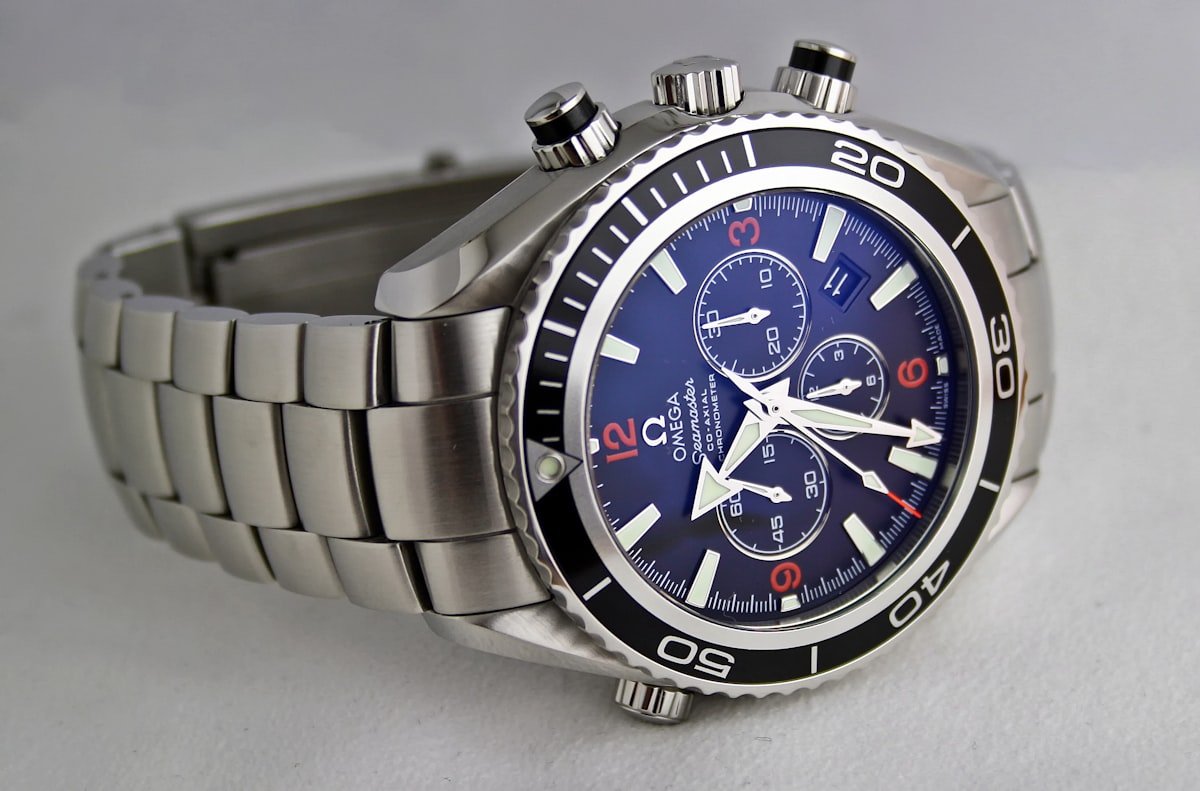
How a Quartz Movement Works
A quartz movement uses a battery to send an electrical current through a tiny piece of quartz crystal. The crystal vibrates at exactly 32,768 times per second — a frequency so consistent that the watch can count those vibrations and advance the hands with exceptional accuracy.
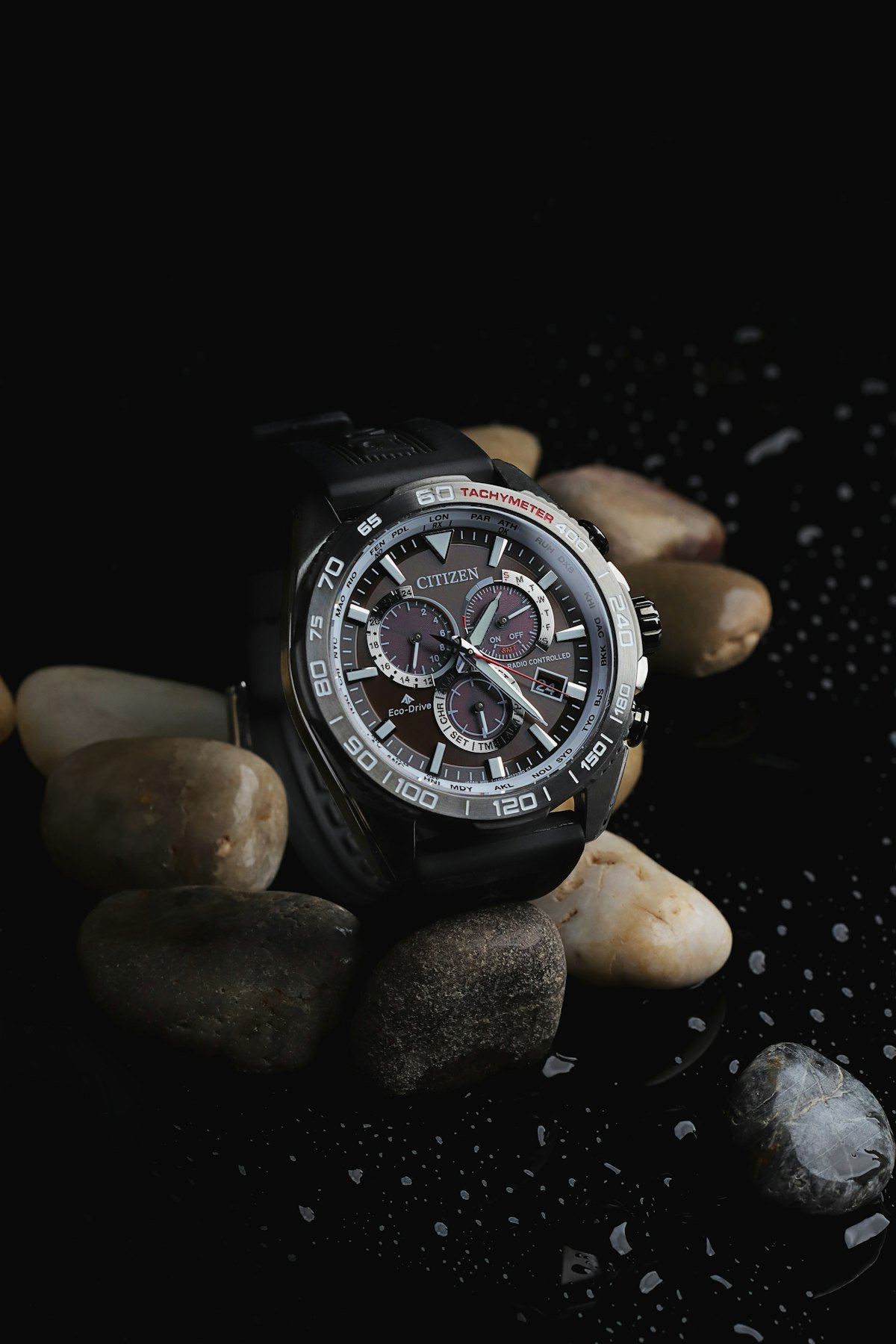
The result is a watch that typically loses or gains fewer than 15 seconds per month. High-end quartz movements — like those found in Grand Seiko’s 9F caliber or Citizen’s Eco-Drive — can achieve accuracy within 5 seconds per year. That is genuinely remarkable engineering.
Quartz: The Case For It
- Accuracy: Quartz is almost always more accurate than mechanical, often by a wide margin.
- Low maintenance: Replace the battery every 2–3 years and you’re done. No servicing needed for 10+ years in most cases.
- Affordability: The best quartz movements cost a fraction of comparable automatics to produce.
- Reliability: Fewer moving parts means fewer points of failure.
- Thin profiles: Quartz movements are often significantly thinner, enabling sleeker case designs.
Quartz: The Case Against It
- Battery dependency — if it dies and you’re nowhere near a shop, the watch stops.
- Less emotional connection for collectors — the “tick tick tick” of a quartz second hand divides opinion.
- Battery disposal has an environmental cost over years of ownership.
How an Automatic Movement Works
An automatic (or self-winding) movement is a mechanical marvel. Hundreds of tiny components — gears, springs, jewels, levers — work together in sequence to store and release energy. A rotor on the back of the movement rotates with your wrist’s natural motion, winding the mainspring automatically throughout the day.
When you don’t wear the watch for a day or two, it will run down and stop. That’s not a defect — it’s the nature of a mechanical system. Most automatics have a power reserve of 38 to 80 hours, with some high-end models exceeding 10 days.
Automatic: The Case For It
- No battery: Wound by your wrist, it runs indefinitely as long as you wear it.
- Craftsmanship: The engineering inside an automatic movement is a genuine feat — visible through exhibition casebacks.
- Longevity: A well-serviced mechanical watch can last generations. Many vintage automatics from the 1960s still run perfectly today.
- Collector appeal: The vast majority of serious watch collecting centres on mechanical movements.
- The sweep hand: That smooth, flowing second hand is something quartz simply cannot replicate.
Automatic: The Case Against It
- Accuracy: most automatics run ±10–20 seconds per day — a real difference if you set meetings by your watch.
- Servicing: mechanical movements need a full service every 5–10 years, which can cost $150–$500+ depending on the brand.
- Price: a good automatic movement costs significantly more to produce than quartz.
- Magnetic sensitivity: mechanical components can be disrupted by strong magnetic fields (smartphones, laptops, MRI machines).
Automatic vs Quartz: Side-by-Side Comparison
| Feature | Automatic | Quartz |
|---|---|---|
| Accuracy | ±10–20 sec/day | ±15 sec/month |
| Power source | Wrist motion | Battery |
| Maintenance | Service every 5–10 yrs | Battery every 2–3 yrs |
| Entry price | From ~$75 (Seiko SNK) | From ~$12 (Casio F-91W) |
| Longevity | Generations with care | Decades, battery dependent |
| Collector appeal | Very high | Lower (exceptions exist) |
| Ideal for | Daily wear, collecting | Precision, sport, travel |
What About Manual (Hand-Wind) Movements?
Manual movements are the ancestor of automatics — they use the same mechanical principles but require you to wind the crown by hand, typically daily or every couple of days. They’re generally thinner than automatics (no rotor) and are favoured in dress watches and ultra-thin timepieces. The ritual of winding a watch each morning is, for many collectors, part of the appeal.
Which Should You Choose?
There is no objectively correct answer — only the right answer for you. Here’s a simple framework:
- Choose quartz if accuracy matters most, you want zero maintenance hassle, or you’re buying a sport or tool watch that will take real abuse.
- Choose automatic if you appreciate craftsmanship, plan to collect seriously, want a watch that could outlast you, or simply love the idea of a battery-free timepiece.
- Start with quartz if you’re new to watches and uncertain — there’s no shame in it, and many experienced collectors wear quartz daily.
Best Entry-Level Recommendations
Best entry automatic: Seiko SNK809 (~$75)
The SNK809 is the most recommended first automatic in the watch community, and for good reason. Reliable 7S26 movement, military-inspired design, and a price that makes the risk of entry essentially zero. Wear it hard — it can take it.
Best entry quartz: Casio GA-2100 CasiOak (~$99)
The GA-2100 is a cultural phenomenon as much as a watch. Its octagonal bezel echoes iconic luxury designs while delivering genuine G-Shock toughness. Shock-resistant, water-resistant to 200m, and built to last years without a single complaint.
Frequently Asked Questions
Is an automatic watch better than quartz?
Not objectively. Quartz is more accurate and lower maintenance. Automatic is more traditional, collectible, and independent of batteries. “Better” depends on what you value in a watch.
Do automatic watches need servicing?
Yes. Most manufacturers recommend a full service every 5–10 years. This involves disassembly, cleaning, oiling, and reassembly of the movement. Costs vary widely — from $100 for a basic Seiko service to $500+ for Swiss luxury brands.
Can an automatic watch stop if I don’t wear it?
Yes. Most automatics have a power reserve of 38–72 hours. If left unworn beyond that, they’ll stop and need to be restarted by winding the crown manually. This is normal and not a defect. A watch winder can keep it running when not in use.
Are quartz watches worth collecting?
Absolutely. Vintage quartz watches — especially early Seiko and Citizen models from the 1970s and 80s — command serious collector interest. Modern quartz from Grand Seiko and Citizen Campanola are genuine horological achievements. Quartz and collecting are far from mutually exclusive.
The Bottom Line
Both movements have earned their place in watchmaking history and in watch collections worldwide. Understanding the difference makes you a more informed buyer — and often, you’ll find yourself owning both. That’s not a contradiction. That’s just becoming a watch person.
Ready to explore specific models? Check out our Best Dive Watches Under $500 guide and our Watch Straps Complete Guide for the next steps in building your collection.